The Hype Machine vs. Reality Inside the World's First AI Art Museum
I stood in line for 47 minutes outside a Frank Gehry building in downtown Los Angeles, clutching a $79 VIP ticket that promised "priority entry." Around me, a family with a stroller looked exhausted. A couple argued about whether they should have gone to The Broad instead. And I kept asking myself one question: Is this what the future of art looks like, or are we all being played?
What They Promise vs. What You Actually Get
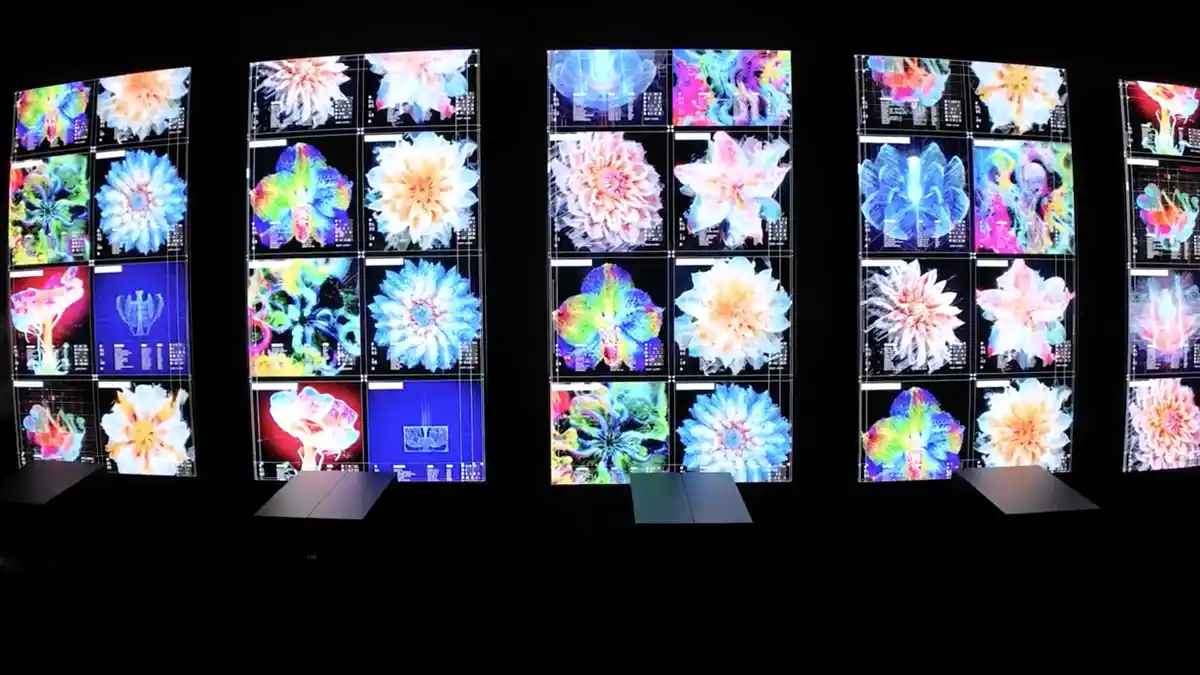
Dataland opened on June 20, 2026, co-founded by Turkish-American media artist Refik Anadol and his partner Efsun Erkılıç. The inaugural exhibition, "Machine Dreams: Rainforest," spans five galleries across 25,000 square feet. The pitch is seductive: AI that responds to your biometrics in real-time. A scent diffuser that releases rainforest aromas based on your mood. Live data feeds from 16 actual rainforests around the world.
Here's what the $49–$79 ticket actually gets you:
-
A biometric wristband that supposedly reads your heart rate and skin conductivity, except multiple visitors reported readings of 114 bpm while their Apple Watch showed 60. The museum later admitted these are "artistic interpretations," not medical measurements.
-
A scent necklace designed by L'Oréal Luxe, which carries an actual cancer warning on the label. Yes, really.
-
Three immersive rooms plus two lobby spaces. The entire experience lasts roughly 50 minutes, if you can get through the 30-90 minute entry queue first.
The hard truth: One visitor described it as "a cheap copy of teamLab with a bigger marketing budget and smaller soul." Another called it "overrated AI slop." But then there are the believers, the ones who say they've "never been so fascinated" and "can't wait to come back."
The Two Camps: Believers vs. Betrayed
I spent three hours outside Dataland talking to people as they exited. The divide was immediate and visceral. No one walked out saying "it was fine." They either glowed or fumed.
| The Believers Say... | The Betrayed Say... |
|---|---|
| "Absolutely breathtaking, emotionally moving" | "Empty, contentless, alienating experience" |
| "Every minute and every cent worth it" | "$79 for 50 minutes? There are better ways to spend money in this city" |
| "The real-time technology blew me away" | "The heart rate sensor is fake, 114 bpm while my watch says 60" |
| "Refik Anadol met us personally, so authentic" | "Staff has no idea what they're doing, pure chaos" |
| "LA's first innovative tourist attraction in 20 years" | "A nightmare for small children and anyone with good taste" |
The teamLab Shadow
If you've never heard of teamLab, here's the context: They're a Japanese art collective that's been perfecting immersive digital experiences since 2001. Their museums in Tokyo, Abu Dhabi, and Macao are the gold standard. Visitors walk through water. Butterflies land on your hand. Flowers bloom and die around you in real-time.
Multiple Dataland visitors specifically name-checked teamLab as the benchmark Dataland fails to meet. One review called Dataland a "cheap copy." Another said the Infinity Room was just a "pale copy of Yayoi Kusama's works at The Broad." The difference? teamLab has 20+ years of operational refinement. Dataland has been open for 11 days.
The Data They Collect on You
The museum knows your heart rate, your movement patterns, how long you linger in each room, and what scents trigger your biometric responses. They promise this data is "forgotten" after your visit. But one visitor was shown a "pretty disturbing amount of data" collected during their stay, including, they claimed, data from the restroom.
The Environmental Paradox
Dataland's marketing leans heavily on sustainability. The Large Nature Model runs on Google Cloud servers in Oregon powered by 87% renewable energy. Anadol claims each visit uses roughly the energy of one iPhone charge. The exhibition features the last recording of the extinct Kauaʻi ʻōʻō bird, a haunting audio moment meant to inspire conservation.
But here's the contradiction that enraged one professional ecologist who visited: A museum preaching rainforest preservation is built on generative AI, a technology notorious for massive energy and water consumption. As one review put it: "The normalization of a practice that involves energy and water waste will contribute more to animal extinction than the supposed awareness we now have will contribute to preventing it."
12 Hard Truths About Dataland
-
The Hype Is Real: The marketing is masterful. The reality is messier.
-
Wait Times Are Brutal: Even VIP ticket holders report 30-90 minute queues.
-
The Biometrics Are Artistic, Not Scientific: Those "engagement percentages" are poetic interpretations, not medical data.
-
It's Not Actually Very Interactive: You mostly watch projections. Your "personalization" is minimal.
-
The Scent Device Has a Cancer Warning: L'Oréal Luxe's contribution comes with fine print.
-
Only 3 Real Rooms: Two of the "five galleries" are essentially lobbies with screens.
-
Data Collection Is Extensive: They track more than they transparently explain.
-
The teamLab Comparison Hurts: Dataland is new and unpolished by comparison.
-
Some Kids React Badly: Parents report children becoming withdrawn or distressed.
-
The $80 T-Shirt Trap: Your "personalized gift" at the end is a data-driven merchandise upsell.
-
Premium Tickets Don't Deliver: Priority access still means waiting in line.
-
But the Visuals Are Undeniably Stunning: When it works, it's genuinely breathtaking.
One visitor who gave it two stars instead of one said this: "It's not a complete scam, it's just an impressive example of the AI world you can step into. But there are far better ways to spend your money in this city than dealing with this 360° AI trash."
So Should You Go?
If you're an immersive art enthusiast who loved teamLab and wants to see where AI art is heading, Dataland is worth experiencing, once. Go on a weekday. Buy the cheapest ticket. Fill out the waiver in advance. And park in the garage under the building ($4.50 with validation, $34 without).
The Verdict
Dataland is not a museum in the traditional sense. It's a tech spectacle wrapped in art-world credibility. For some, that's revolutionary. For others, it's a $79 screensaver with shoe covers.
The real question isn't whether AI can make art. It's whether this particular installation, at this price, with these operational failures, earns your time and money. Right now, the answer depends entirely on your tolerance for hype, your love of visual immersion, and your patience for standing in line.
Payment Required
Open Standard for Internet-Native Payments
Shifting the Conversation
AI Angst vs. AI Realism
Demystify AI
Access Your Essential Glossary!
Dataland FAQ
Dataland is the world's first museum dedicated to AI-generated art, opened June 20, 2026 in downtown Los Angeles at The Grand LA. Co-founded by artist Refik Anadol and Efsun Erkılıç, it features immersive, multi-sensory galleries powered by the Large Nature Model (LNM), an AI trained on 500+ million permission-based nature images.
Dataland tickets range from $49 to $79, with VIP and Premium options available. Many visitors have criticized the price as overpriced for the experience, especially given long wait times even for premium ticket holders.
Common complaints include: 30-90+ minute wait times even with pre-purchased tickets, poorly trained staff, misleading claims of interactivity (biometric sensors showing implausible readings), limited actual content (only 3 immersive rooms), data privacy concerns, and a cancer warning on the scent diffuser necklace.
Opinions are sharply divided. Enthusiasts praise the breathtaking visuals, emotional sound design, and revolutionary concept. Critics call it an overpriced tech demo with operational failures. For fans of immersive digital art, it may be worth it, but go with managed expectations and avoid peak times.
Multiple visitors have unfavorably compared Dataland to teamLab, the Japanese immersive art collective with 20+ years of experience. TeamLab is seen as the gold standard with proven interactivity, refined operations, and multiple permanent museums worldwide. Dataland is newer, more expensive, and currently struggling with operational issues.

Jans Bock-Schroeder
Publisher & Founder of AI Angst
Coming from the world of art, photography, and the luxury market, Jans launched AI Angst in 2025 to explore the cultural, ethical, and psychological impacts of artificial intelligence. His work bridges creative vision with critical technology analysis, offering clarity in an era of rapid technological change.
Sources and Citations
This article is based on the following primary sources, visitor reviews, and research materials:
-
LAist — "Yes, I enjoyed LA's new AI Museum. Here's why I still didn't like it"
https://laist.com/news/arts-and-entertainment/new-ai-museum-dataland-artificial-intelligence-art-la -
Artsy — "Inside DATALAND: What to Know About Refik Anadol's AI Museum"
https://www.artsy.net/article/artsy-editorial-inside-dataland-refik-anadols-ai-museum -
The Art Newspaper: "Inside Refik Anadol's Dataland, the world's first AI art museum"
https://www.theartnewspaper.com/2026/06/18/refik-anadol-dataland-opens-los-angeles -
Arup: "DATALAND, the world's first Museum of AI Arts, opens June 20, 2026"
https://www.arup.com/en-us/news/dataland-the-worlds-first-museum-of-ai-arts-opens-june-20-2026/ -
Related Companies: "DATALAND, the museum of AI arts, opens to the public"
https://www.related.com/press-releases/2026-04-23/dataland-museum-ai-arts-opens-public-saturday-june-20-2026 -
Dataland Visitor Reviews (German): Collected July 2026
Anonymized visitor feedback from Google Maps and third-party review platforms.
Last verified: July 2, 2026. All links open in a new tab.